Vocabulary
Words and expressions from your lessons
38 words & expressions
Professions & study
 médicomédicadoctor
Changes with gender.
Ele é médico. — He is a doctor.
Gramática Ativa · U1 enfermeiroenfermeiranurse
Changes with gender.
Ela é enfermeira. — She is a nurse.
Gramática Ativa · U1 alunoalunastudent
Changes with gender.
Ela é aluna. — She is a student.
Gramática Ativa · U1
Family & people
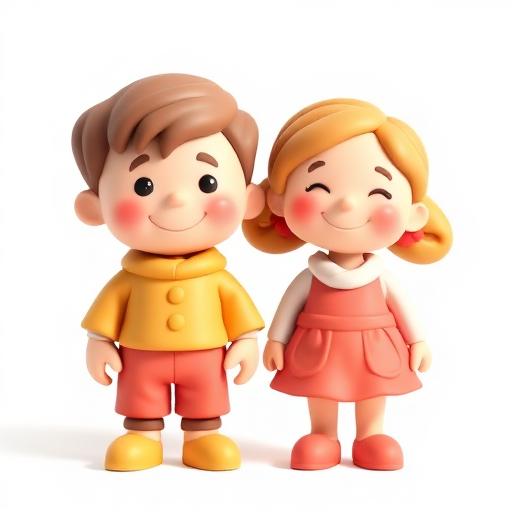 irmãoirmãbrother / sister
Irregular gender pair.
O meu irmão é médico. — My brother is a doctor.
Gramática Ativa · U1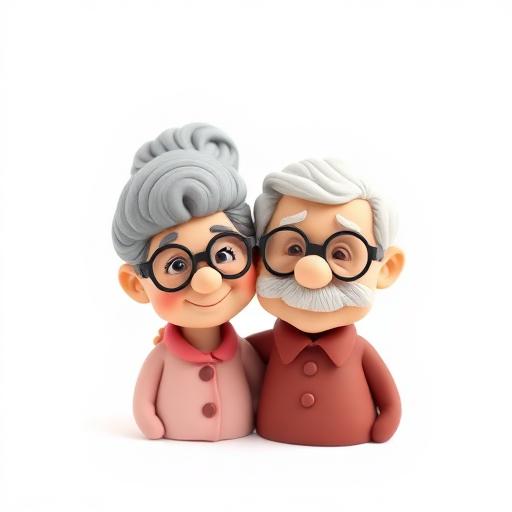 avóavôgrandmother / grandfather
a avó = grandmother; o avô = grandfather.
A minha avó é médica. — My grandmother is a doctor.
Gramática Ativa · U1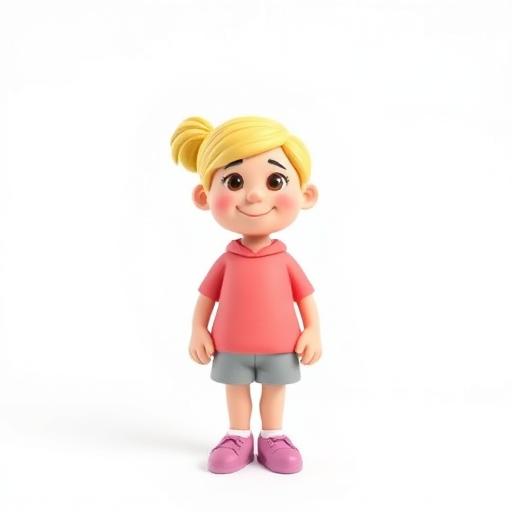 mulherwoman; wife
Depending on context, can mean woman or wife.
Aquela mulher é médica. — That woman is a doctor.
Gramática Ativa · U1 raparigagirl; young woman
Very common and neutral in European Portuguese.
Esta rapariga é alta. — This girl is tall.
Gramática Ativa · U1
Personal status
- estado civilmarital status
Common expression for a person's marital status.
“Casada” é um estado civil. — “Married” is a marital status.
Gramática Ativa · U1  casadocasadamarried
Agrees with the person described.
Ela é casada. — She is married.
Gramática Ativa · U1
Home & furniture
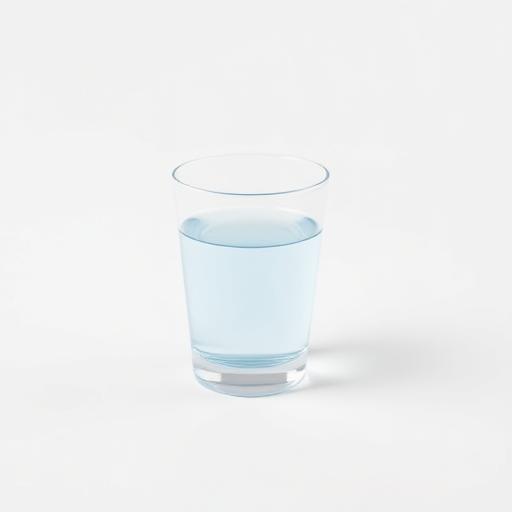 copoglass; drinking glass
Masculine: o copo. A cup is usually chávena in PT-PT.
O copo está na mesa. — The glass is on the table.
Gramática Ativa · U1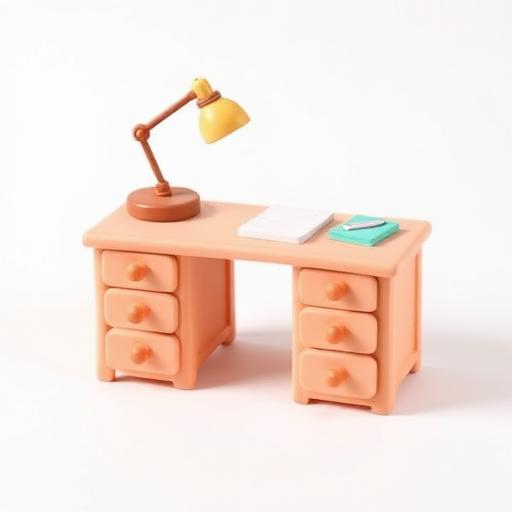 secretáriadesk; female secretary
Feminine. Meaning depends on context.
A caneta está na secretária. — The pen is on the desk.
Gramática Ativa · U1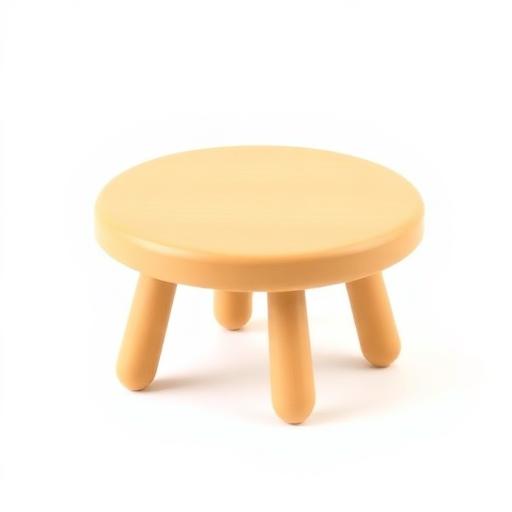 mesatable
Feminine: a mesa.
A mala está na mesa. — The bag is on the table.
Gramática Ativa · U1
Personal items & clothing
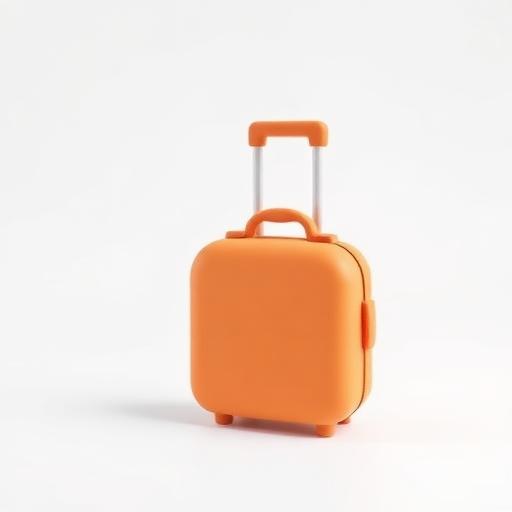 malabag; suitcase
Feminine: a mala.
A mala é pesada. — The bag is heavy.
Gramática Ativa · U1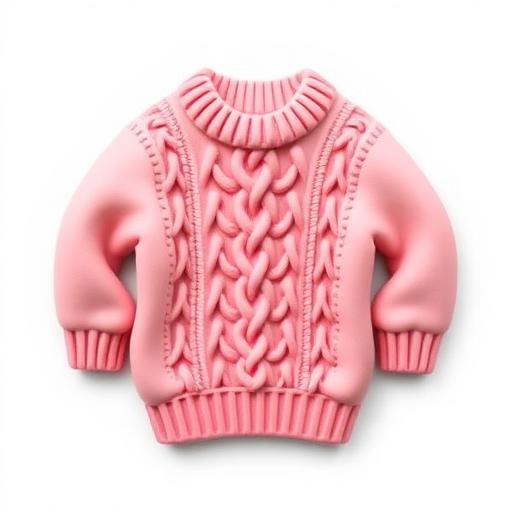 camisolasweater; jumper; top
In Portugal, commonly a sweater/jumper or similar top.
A camisola é cara. — The sweater is expensive.
Gramática Ativa · U1
Study & work
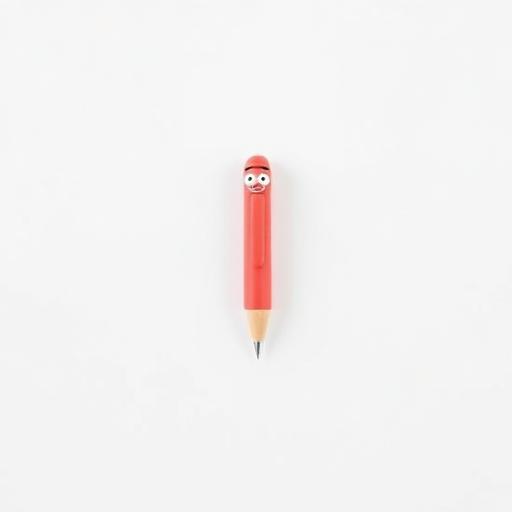 canetapen
Feminine: a caneta.
Esta é uma caneta. — This is a pen.
Gramática Ativa · U1
Buildings & transport
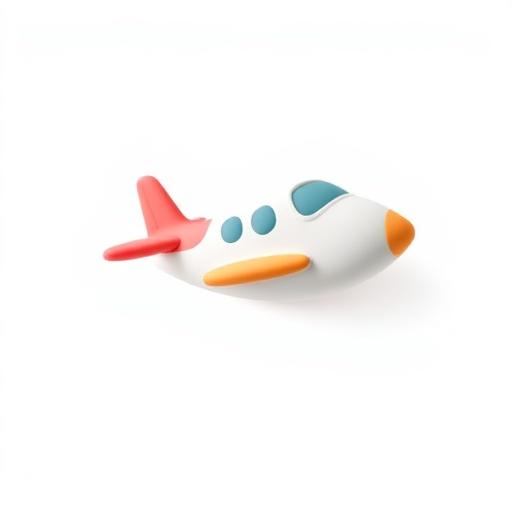 aviãoplane; airplane
Masculine: o avião. Plural: aviões.
O avião é grande. — The plane is big.
Gramática Ativa · U1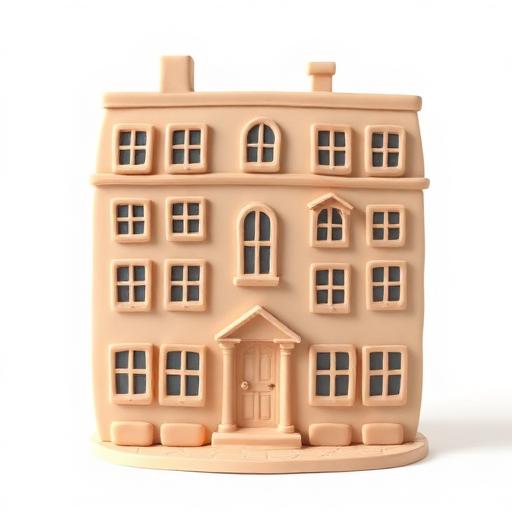 prédiobuilding
Usually a multi-storey building.
Este prédio é alto. — This building is tall.
Gramática Ativa · U1
Geography & nature
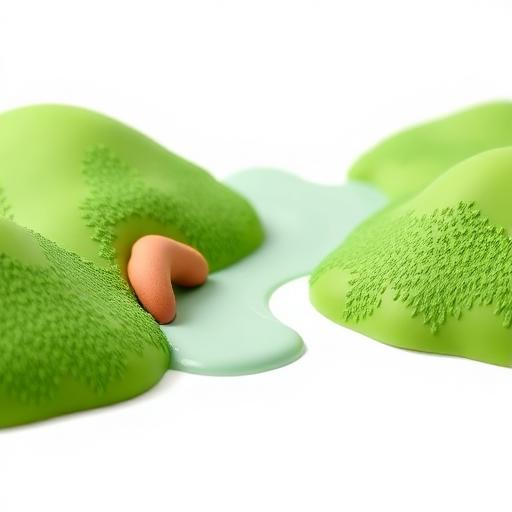 rioriver
Masculine: o rio.
O Tejo é um rio. — The Tagus is a river.
Gramática Ativa · U1
Animals
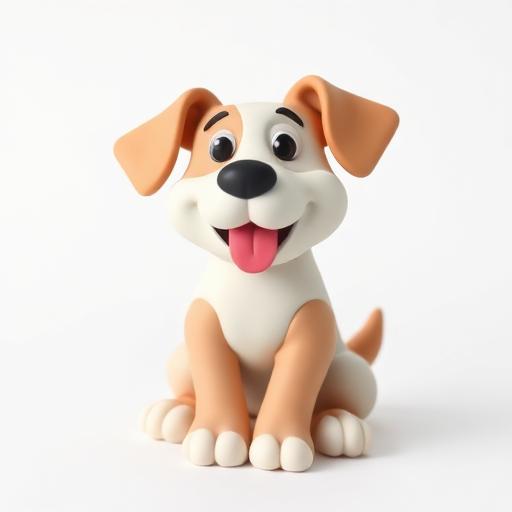 cãodog
Masculine: o cão. Feminine: cadela. Plural: cães.
Este cão é magro. — This dog is thin.
Gramática Ativa · U1
Size & physical appearance
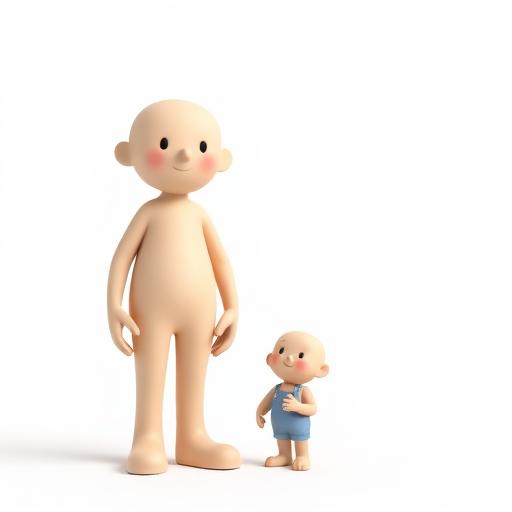 altoaltatall; high
Agrees in gender and number: alto, alta, altos, altas.
Ele é alto. — He is tall.
Gramática Ativa · U1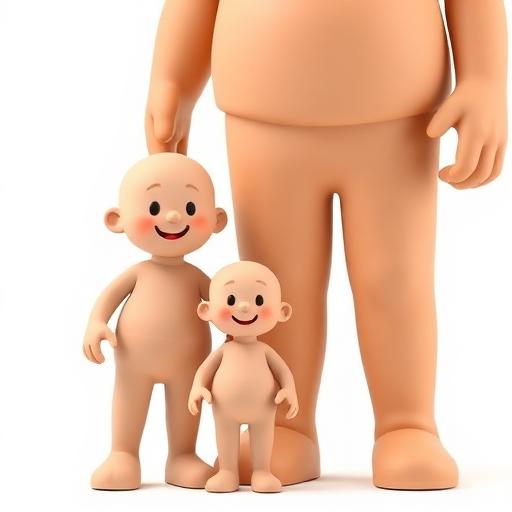 baixobaixashort; low
For people, often short; for things, low.
Ele não é baixo. — He is not short.
Gramática Ativa · U1 magromagrathin; slim
Agrees in gender and number.
Ela é magra. — She is slim.
Gramática Ativa · U1
Weight, difficulty & value
 pesadopesadaheavy
Agrees with the noun.
A mala é pesada. — The bag is heavy.
Gramática Ativa · U1 difícildifficult
Same form for masculine/feminine; plural difíceis.
O exercício é difícil. — The exercise is difficult.
Gramática Ativa · U1 carocaraexpensive
cara is the feminine form of caro; a cara can also mean face.
A camisola é cara. — The sweater is expensive.
Gramática Ativa · U1
Other descriptions
 selvagemwild
Same form for masculine/feminine; plural selvagens.
O animal é selvagem. — The animal is wild.
Gramática Ativa · U1
Time & question expressions
 hojetoday
Adverb of time.
Hoje é quarta-feira. — Today is Wednesday.
Gramática Ativa · U1 quewhat; which; that
Meaning depends on the sentence.
Que dia é hoje? — What day is it today?
Gramática Ativa · U1 que horas?what time?
Fixed question expression.
Que horas são? — What time is it?
Gramática Ativa · U1
Core verb forms
 sãoare
Form of ser used with eles / elas / vocês and in Que horas são?
Eles são alunos. — They are students.
Gramática Ativa · U1
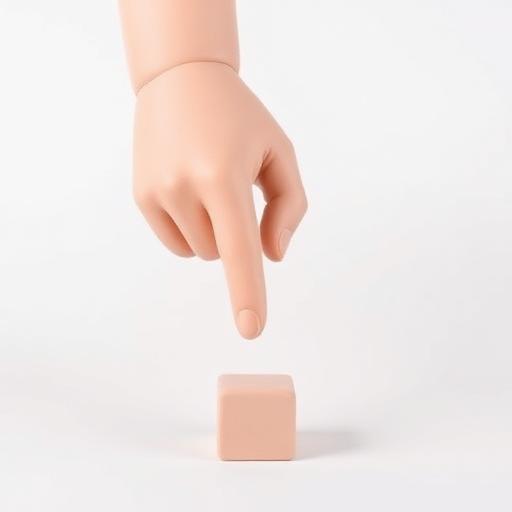 esteestathis
Near the speaker. Plural: estes / estas.
Este prédio é alto. — This building is tall.
Gramática Ativa · U1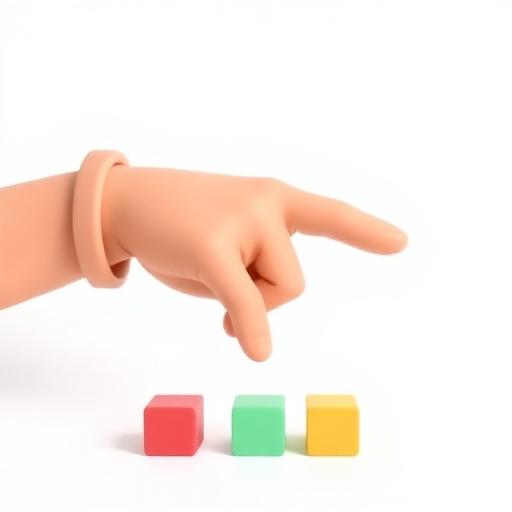 estesestasthese
Plural of este / esta.
Estas canetas são caras. — These pens are expensive.
Gramática Ativa · U1 aqueleaquelathat; that one over there
Far from both speaker and listener. Plural: aqueles / aquelas.
Aquela camisola é cara. — That sweater is expensive.
Gramática Ativa · U1
Grammar concepts
- possepossession
In the book, a category for uses such as ser + de.
“O livro é do Pedro” indica posse. — “The book is Pedro's” indicates possession.
Gramática Ativa · U1 - tempo cronológicochronological time
Grammar category for hours, days and dates.
“Que horas são?” fala de tempo cronológico. — “What time is it?” refers to chronological time.
Gramática Ativa · U1 - matériamaterial; subject; matter
In this lesson, it means the material something is made of.
A mesa é de madeira. — The table is made of wood.
Gramática Ativa · U1 - nomename; noun
In grammar, nome can mean noun; in everyday speech, name.
“Mesa” é um nome. — “Mesa” is a noun.
Gramática Ativa · U1 - adjetivoadjective
Masculine noun: o adjetivo.
“Alto” é um adjetivo. — “Alto” is an adjective.
Gramática Ativa · U1